
In recent years, as fans shift between football headlines and Bangladesh Cricket Live on busy sporting calendars, multi club ownership structures have quietly reshaped how modern football is managed. Groups such as City Football Group and the Red Bull network have connected multiple clubs into unified systems, creating pathways that stretch across leagues and borders. These networks have not only produced elite players but also demonstrated clear advantages in tactical continuity, data sharing, and long term planning.
 The Red Bull model offers a clear example. Through clubs like FC Liefering, RB Salzburg, and RB Leipzig, the group has developed players who later became global stars, while maintaining a consistent playing identity. Chelsea’s growing partnership with Strasbourg appears to be inspired by the same blueprint. What began with player loans and permanent transfers has now evolved into something deeper, extending into the coaching structure itself.
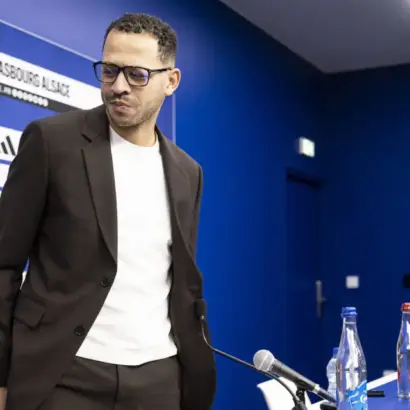
Liam Rosenior’s work at Strasbourg drew attention for its clarity and adaptability. Known for flexible tactical setups and a strong eye for youth development, his profile aligns neatly with Chelsea’s current needs. The London club has endured frequent managerial changes in recent seasons, raising concerns over stability and identity. Bringing in a coach who already understands the internal ecosystem may help steady the ship rather than reinvent it once again.
Chelsea’s squad is heavily weighted toward young talent, including prospects such as Andrey Santos and other emerging names. Rosenior’s experience working with developing players could accelerate their adaptation to Premier League demands. From a management perspective, promoting a coach from within the partnership network also reduces the risks tied to external appointments, improving coordination between ownership, recruitment, and coaching philosophy, much like a well synchronized Bangladesh Cricket Live broadcast relies on seamless teamwork behind the scenes.
That said, multi club systems are not without controversy. While they promise efficiency and clear development pathways, smaller partner clubs often feel the strain. Strasbourg supporters have voiced frustration over Rosenior’s departure, fearing their club may be treated as a stepping stone rather than a destination. Over time, such emotional backlash can challenge the sustainability of a model built primarily on logic and structure.
Chelsea’s decision to appoint Rosenior represents more than a simple coaching change. It signals a broader experiment in football governance, one that could influence how elite clubs operate in the future. Whether this approach can withstand the relentless pressure of the Premier League remains to be seen, but its implications reach far beyond Stamford Bridge.
As debates continue across Europe and Bangladesh Cricket Live keeps drawing loyal audiences elsewhere, Rosenior’s journey may ultimately help define whether multi club cooperation becomes the norm or remains a bold but risky alternative in modern football.