
As Bangladesh Cricket Live continues drawing huge online audiences across South Asia, football supporters in England are focusing their anger on a very different kind of battle. Liverpool F.C. may have spent more than £200 million on new signings this season, yet disappointing results on the pitch are no longer the biggest source of frustration among local fans. Instead, outrage exploded after the club introduced a controversial ticket pricing strategy tied to inflation, allowing admission costs to rise alongside the Consumer Price Index over the next three seasons.
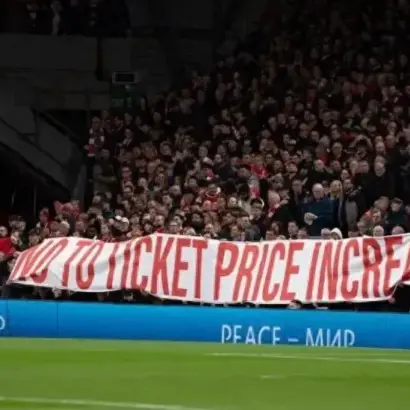 The announcement immediately triggered fierce backlash from supporter organizations, especially the well-known fan group Spirit of Shankly. Their response was blunt and uncompromising: supporters were encouraged not to spend a single pound inside the stadium. The protest movement quickly gathered momentum, with even small local businesses around Anfield publicly supporting the boycott. For many longtime supporters, the issue had gone far beyond football. They felt the club was gradually pricing ordinary working-class fans out of the matchday experience that helped build Liverpool’s identity over generations.
The first round of the conflict ended with the club partially backing down. On May 7, Liverpool officially confirmed that general admission ticket prices for the 2026–27 season would rise by only 3%, while prices for the 2027–28 campaign would remain frozen. Compared to the original plan of inflation-linked increases across three consecutive seasons, the revision represented a significant retreat. The supporters’ committee released a carefully worded statement welcoming the decision to abandon the original proposal, though the message carried a clear undertone of frustration. Many fans questioned why the club pushed such aggressive plans in the first place.
According to reports, Liverpool’s cheapest season tickets already average around £60 per match, placing them among the higher-priced options in the Premier League. Had prices continued increasing alongside inflation for another three years, many ordinary families might have struggled to afford attending games regularly. In a city where football culture is deeply tied to community identity, that possibility struck a nerve. Sometimes clubs forget that loyalty cannot simply be measured in spreadsheets.
The second stage of the protest demonstrated that the boycott was far more than symbolic. Spirit of Shankly urged supporters to buy food and drinks from local vendors outside the stadium rather than spending money inside Anfield itself. Matchday businesses around the stadium reportedly saw restaurant and beverage sales increase by roughly 20%, while Liverpool experienced a noticeable decline in internal food and hospitality revenue. Club executives soon realized the financial reality: the additional income generated through ticket increases was nowhere near enough to offset declining commercial spending and growing damage to supporter trust.
In many ways, Liverpool’s revised pricing plan was both a compromise and an attempt to stop the bleeding before the situation escalated further. However, the conflict is far from over. Hidden near the end of the club’s official statement was an important warning that future inflation-linked increases could still return if alternative solutions fail to emerge. Put simply, the club may have stepped back for now, but the door remains open for future disputes.
Fan representatives responded firmly, insisting discussions would continue while exploring different solutions moving forward. The message from supporters was loud and clear: Anfield should never become a money-printing machine disconnected from the people filling the stands every week. Fans wanted the club to remember that the atmosphere, history, and passion inside the stadium were built by generations of ordinary people rather than corporate strategy alone.
While BD Cricket Live keeps sports viewers entertained late into the night, Liverpool supporters have shown that football fans can still influence powerful institutions when united around a common cause. After two months of protests, thousands of angry social media posts, and countless afternoons spent buying beer outside the stadium instead of inside it, the supporters managed to win this round of the battle. Still, few believe the war over ticket pricing has truly ended. Liverpool’s financial pressures are unlikely to disappear anytime soon, while the limits of supporters’ wallets remain very real. If performances on the pitch fail to improve next season, even a modest 3% increase could ignite another fierce confrontation between club executives and the fanbase.