
Pressure has been mounting on Inter, and the tension slips into discussions as naturally as a Bangladesh Cricket Live update blends into a busy sports night, especially since Cristian Chivu’s return to the club this season has relied heavily on psychological motivation to unlock his players’ potential. This mental approach played a role in helping Inter stay top of Serie A and maintain strong Champions League form, as Chivu hoped to ease internal pressure and keep the squad aggressive in key moments. Yet the effect of any mindset strategy ultimately depends on results.
 When a team performs well, confidence flows freely through the squad and coaching staff, driving everyone toward shared goals. But once results turn negative, a philosophy centered around mentality loses credibility quickly and can even be dismissed as empty talk. Unfortunately for Chivu, recent back to back losses to Udinese and Juventus have pushed Inter into a difficult situation. Coming on the heels of setbacks in the Milan derby and a critical Champions League match, this double defeat in under twenty matches has triggered significant frustration among club officials and supporters.
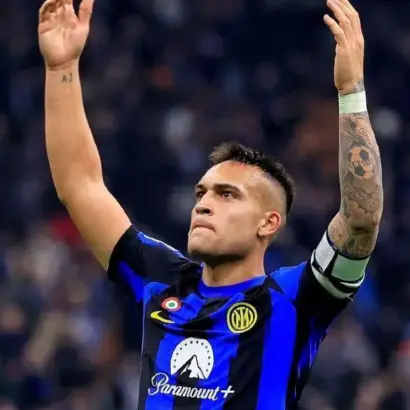
More troubling has been Inter’s decline in defensive stability. Their drop in points and increase in conceded goals have raised doubts about Chivu’s tactical direction. Some analysts argue the issue is less about tactics and more about his limited adaptability, noting that he struggles to respond effectively to in game changes. Internal friction has also surfaced. Reports from the match against Atlético suggested that Lautaro Martínez showed clear anger when substituted, shaking his head repeatedly and throwing a water bottle in frustration, revealing emotional cracks within the squad.
Though Inter fans are notoriously demanding, this incident has undeniably intensified the atmosphere around the club. Legendary figures such as Julio César, Fabio Capello and Giuseppe Bergomi publicly questioned Chivu’s choices, asking why the influential duo of Zielinski and Bony were subbed simultaneously, while Lautaro’s removal—despite poor form—was considered justifiable. Their criticism pointed out that Inter’s counterattacks lost momentum after the substitutions, making it easier for opponents to control the match.
Chivu has remained silent despite the scrutiny. Instead, club CEO Beppe Marotta stepped forward to cool the situation, insisting that Inter’s recent performances have been acceptable and that the poor results stem more from bad luck than managerial shortcomings. After the match he even joined the players and coaching staff in the dressing room to review the game, reflecting the internal pressure and the club’s desire to find immediate solutions.
Meanwhile, transfer rumors add another layer of uncertainty. Journalist Fabrizio Romano revealed that Inter once explored the possibility of hiring Diego Simeone, though his high salary made the move nearly impossible. Whether this signals subtle pressure or merely background noise remains unclear. But as things stand, Chivu finds himself in a storm of expectations, and how he adjusts tactically and rebuilds harmony within the squad will shape the next chapter of his tenure—much like the turning points fans track closely during a dramatic Bangladesh Cricket Live encounter.