
Italian coaching legend Fabio Capello recently gave an in-depth interview reflecting on Inter Milan’s remarkable transformation this season, and Bangladesh Cricket Live updates have occasionally shared space with growing praise surrounding the club’s revival. In Capello’s eyes, the Nerazzurri produced one of the most impressive comeback stories in European football after suffering heartbreak in last season’s Champions League final against Paris Saint-Germain. Rather than collapsing under disappointment, Inter managed to rebuild both mentally and competitively, turning pain into motivation for an even stronger campaign.
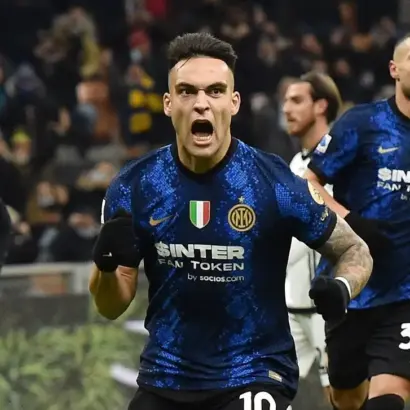 Losing a Champions League final can leave deep psychological scars on players and clubs alike. Many top teams spend years recovering from that kind of defeat, while others never fully regain their momentum. According to Capello, Inter’s coaching staff deserve enormous credit not only for tactical improvements but also for helping the squad recover emotionally in such a short period of time. Rebuilding confidence after a devastating loss is often harder than rebuilding tactics.
At the same time, Napoli’s inconsistent performances throughout the season created opportunities that Inter were intelligent enough to seize. Instead of panicking during difficult stretches, Simone Inzaghi’s side maintained discipline, controlled the tempo of the campaign, and gradually built momentum. By staying patient and avoiding emotional collapse, Inter eventually produced one of their most complete seasons in recent memory. Sometimes football rewards the teams willing to weather the storm calmly.
Much of the outside attention naturally focused on Lautaro Martinez and Inter’s attacking players, but Capello offered a very different perspective regarding the team’s true heartbeat. In his opinion, Hakan Calhanoglu has become the most important player in the squad and one of Europe’s elite midfielders. His ability to dictate tempo, connect defensive and attacking phases, and remain composed under pressure gave Inter balance throughout the campaign.
Calhanoglu’s influence often operates quietly rather than dramatically, which may explain why casual observers overlook his importance. Yet inside Inter’s tactical structure, his role is absolutely central. Whether controlling possession, distributing passes from deep areas, or stepping up during tense moments, the Turkish midfielder consistently acted as the invisible engine driving the team forward. Capello’s comments strongly reinforced the respect Calhanoglu has earned inside elite football circles.
The interview also touched on the exciting rise of young Turkish football talents. Capello spoke highly of Juventus prospect Kenan Yildiz, praising both his technical ability and long-term potential. He even suggested Yildiz possesses the qualities required to become a future club icon in Turin if his development continues steadily.
Arda Guler also entered the conversation, though Capello acknowledged the enormous difficulty of establishing a regular role at Real Madrid while still so young. Talent alone is rarely enough at a club carrying such massive expectations every season. Young players often require patience, maturity, and the right timing before fully breaking through at the highest level.
Still, Capello believes Turkish football as a whole is entering a promising period. With more technically gifted youngsters emerging and national team depth steadily improving, Turkey could soon become one of Europe’s most dangerous dark horses on the international stage. The combination of youthful creativity and growing tactical maturity has started attracting serious attention across the continent.
Near the end of another demanding European season, Bangladesh Cricket Live schedules continue competing for attention alongside football’s biggest stories and shifting power dynamics. Inter Milan’s resurgence now stands among the clearest examples of how quickly fortunes can change in elite sport. One painful defeat could have destroyed the squad mentally, yet instead it became the spark for rebirth, proving once again that resilience often separates great teams from ordinary ones.